
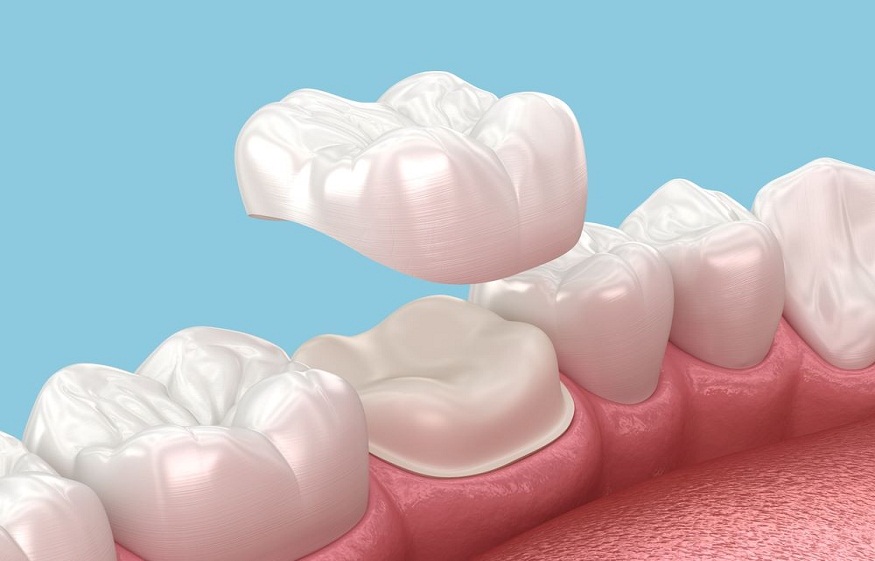
Damaged or weakened teeth can affect more than just your smile. They can impact your ability to chew comfortably, maintain proper oral hygiene, and feel confident in everyday situations. Fortunately, modern dentistry offers reliable solutions that restore both the strength and appearance of natural teeth.
One of the most effective restorative treatments available today is dental crowns. These custom-made restorations are designed to protect damaged teeth, improve aesthetics, and restore full function. With advancements in dental materials and technology, today’s crowns are stronger, more natural-looking, and longer-lasting than ever before.
If you are considering treatment, understanding the different types of crowns and how to choose the right option can help you make an informed decision about your oral health.
What Are Dental Crowns?
It is designed to restore the tooth’s shape, strength, and appearance while protecting it from further damage.
Read More : Behavior Health / Addiction: Understanding Care, Treatment, and Long Term Recovery
Dentists commonly recommend dental crowns when a tooth is too damaged for a simple filling but does not require extraction.
Crowns may be recommended for several reasons:
- To restore a cracked or broken tooth
- To protect a tooth after root canal treatment
- To strengthen a weakened tooth
- To improve the appearance of discoloured teeth
- To replace large fillings
- To complete a dental implant restoration
Because crowns are custom-designed, they blend naturally with surrounding teeth while providing structural support.
When You May Need a Dental Crown
There are several situations where your dentist may recommend a crown as the best treatment option. Some of the most common reasons include:
Tooth damage or fractures
Teeth that have cracked due to injury or grinding may require a crown to prevent further breakage.
Large fillings
Teeth with large fillings often become structurally weak. A crown can reinforce the tooth and prevent fractures.
After root canal treatment
Teeth that have undergone root canal therapy can become brittle over time. A crown provides protection and restores function.
Cosmetic improvements
Crowns can also be used to improve the shape or colour of teeth that cannot be corrected with whitening or bonding.
Modern dental crowns are designed to address both structural and cosmetic concerns in one treatment.
How to Choose the Right Dental Crown
Selecting the best crown depends on several factors, including the location of the tooth, your budget, and your aesthetic goals.
Important considerations include:
- Strength requirements: Back teeth require stronger materials due to chewing pressure, while front teeth may prioritise aesthetics.
- Appearance preferences: Patients often choose porcelain or ceramic crowns for visible teeth due to their natural appearance.
- Longevity: Some materials last longer than others. Zirconia and metal-based crowns typically provide the greatest durability.
- Cost considerations: Different crown materials vary in cost. Your dentist can explain which options best balance performance and value.
A professional consultation helps determine which dental crown option is most suitable for your situation.
The Dental Crown Procedure Explained
Understanding the treatment process can help patients feel more confident before starting treatment.
Initial consultation
Your dentist examines the tooth and determines whether a crown is the best solution.
Tooth preparation
The tooth is reshaped to allow space for the crown. Any decay is removed during this step.
Impressions or digital scans
A digital scan or impression is taken to create a custom crown that fits precisely.
Temporary crown placement
A temporary crown may be placed while the permanent crown is being fabricated.
Final placement
Once ready, the permanent crown is securely bonded to the tooth.
Modern techniques ensure that dental crowns fit comfortably and look natural.
Benefits of Modern Dental Crowns
Dental technology has improved significantly over the past decade, making today’s crowns stronger, more precise, and far more natural-looking than older generations. Modern materials and digital design processes allow dentists to create restorations that not only protect teeth but also blend seamlessly with your natural smile.
Today’s dental crowns are designed to restore both function and aesthetics, making them one of the most reliable long-term solutions in restorative dentistry.
Key benefits include:
Restores full chewing function
Patients can now eat comfortably again because modern crowns are made to withstand typical biting pressure. A well-fitting crown reduces discomfort brought on by weak teeth and boosts confidence when chewing, whether you’re eating daily meals or crunchy foods.
Improves smile appearance
Crowns are carefully polished and sculpted to match the surrounding teeth. By fixing discoloration, irregular forms, or visible damage while maintaining a natural appearance, this enhances the overall appearance of your smile.
Protects damaged teeth
A crown acts like a protective shield, covering a weakened tooth and preventing further cracks or decay. This protection is especially important after root canal treatment or when a tooth has a large filling that may compromise its strength.
Long-lasting results
With proper care and regular dental check-ups, modern crowns can last well over a decade. Advances in materials such as zirconia and reinforced ceramics mean today’s crowns are built to withstand daily wear and tear.
Custom colour matching
Dentists now use advanced shade-matching techniques to ensure crowns closely match the colour of natural teeth. This makes restorations virtually unnoticeable, particularly when used on front teeth.
Improved comfort compared to older crown designs
Digital scanning and modern fabrication techniques allow for more precise fitting of crowns. This reduces discomfort, improves bite alignment, and minimises the adjustment period after placement.
Supports long-term oral health
By protecting vulnerable teeth, crowns help prevent more serious dental problems that could require more complex treatment later. Preserving natural teeth whenever possible is always a priority in modern dentistry.
Read More : Ablative Vs. Non-Ablative Lasers: Which One Does Your Skin Need?
These advantages explain why modern crowns continue to be one of the most trusted solutions in restorative dentistry. With the right care and professional placement, dental crowns can provide both functional protection and aesthetic improvement for many years.
Restore Your Smile with Professional Dental Care
If you are considering dental crown treatment, our experienced team at Liverpool Dental Centre provides personalised care tailored to your needs. Our patient-focused approach ensures comfortable treatment and long-lasting results.
Call us at (02) 9601-2113 or visit https://www.liverpooldentalcentre.com.au to book your consultation and discover how modern dental crowns can restore the strength, function, and appearance of your smile.