
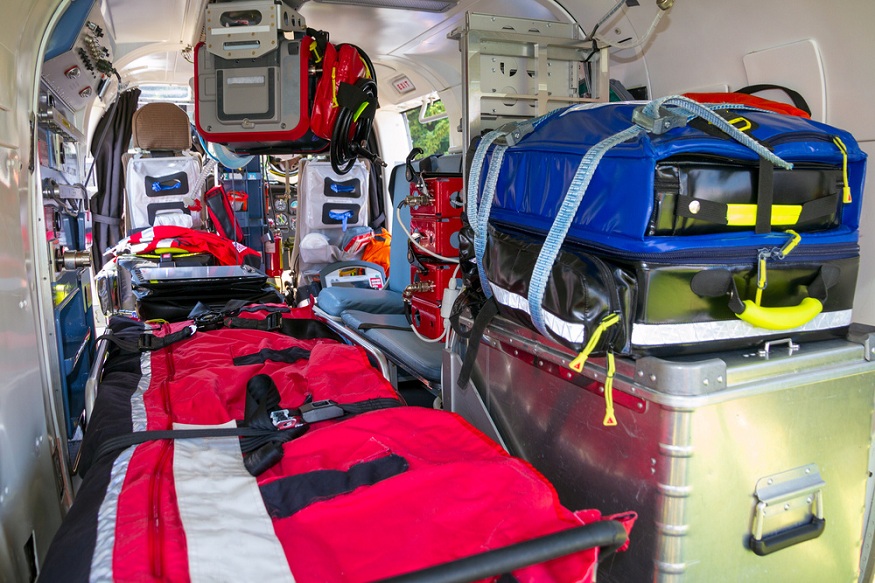
Every second counts during emergency response. While crews focus on speed and skill, the aircraft cabin itself plays a crucial role in response efficiency. Smart layout choices shave precious minutes off critical operations. Poor design creates dangerous delays.
Equipment Placement Makes or Breaks Efficiency
Medical teams need instant access to supplies. Stretchers must slide in smoothly without jamming. Monitor cables should reach patients without tangling. These details separate fast responses from slow ones. Storage systems affect speed dramatically. Deep bins force crews to dig for supplies. Poorly labeled compartments waste time during searches. The best designs put frequently used items within arm’s reach. Everything else stays organized but accessible.
Weight distribution influences equipment placement. Heavy items near the door speed up loading. But balance requirements might demand different positions. Finding the sweet spot requires careful planning and testing. Height matters more than most operators realize. Overhead storage saves floor space but slows retrieval. Low-mounted equipment forces bending and stretching. The ideal setup puts everything at a comfortable working height whenever possible.
Door Configuration Controls Flow
Aircraft doors set the pace for patient loading. Wide openings allow smooth stretcher entry. Narrow doors require tilting and maneuvering. Those extra movements add minutes to every call. Door placement affects ground operations too. Rear doors need more ramp space. Side doors work better at crowded landing zones. Some operators discover that their door choices limit where they can land safely. Step configuration speeds or slows boarding. Fixed steps work fast but reduce ground clearance. Folding designs take longer but fit more landing sites. Each choice involves trade-offs between speed and flexibility.
Read More: Behavior Health / Addiction: Understanding Care, Treatment, and Long Term Recovery
Seating Arrangements Drive Workflow
Crew positions during flight determine their readiness upon landing. Forward-facing seats near equipment allow for quick exits. Seats facing away from the action slow response. Small adjustments create big differences in reaction time. Swivel seats offer flexibility but add complexity. They allow crews to face patients during transport. But mechanical parts can jam at the worst moments. Fixed seats prove more reliable despite their limitations.
Fold-away seating creates multipurpose spaces. Open floor areas accommodate different stretcher types. But converting between configurations takes valuable minutes. Operators must balance versatility against speed requirements.
Power Systems Enable Rapid Deployment
Modern medical equipment demands reliable electricity. Dead batteries during critical moments spell disaster. Cabin power systems keep devices charged and ready. The right setup eliminates dangerous delays.
Outlet placement prevents cord chaos. Strategic positioning lets crews plug in without creating trip hazards. Poor layouts force dangerous reaches across patients. Companies like LifePort understand how medevac equipment power needs affect cabin workflows, creating mounting solutions that maintain constant power connectivity while allowing quick removal when needed. Backup systems prevent total failure. Redundant power sources keep critical devices running. Some operators learn this lesson after devastating equipment failures during patient care.
Communication Design Speeds Coordination
Cabin acoustics affect radio clarity. Poor sound insulation creates confusion. Crews mishear instructions and repeat requests. Clear communication speeds every aspect of emergency operations. Intercom placement allows for hands-free conversations. Crews coordinate without abandoning patient care. But poorly positioned microphones pick up engine noise instead of voices. Testing different configurations identifies the optimal placement. Visual communication matters too. Windows between compartments let crews coordinate silently. Blocked sightlines force verbal confirmation of simple tasks.
Read More: Tennessee Men’s Clinic Discusses How Older Men Can Maintain Good Health
Conclusion
Response time improvements start with thoughtful cabin design. Every layout decision either speeds up or slows down emergency operations. The best configurations feel almost invisible to the crews. Everything sits exactly where hands expect to find it. These improvements compound during actual emergencies. Seconds saved at each step become minutes saved per mission. When operators prioritize response time in their cabin decisions, they give crews the best possible chance to save lives.