
Two minutes at the sink, twice a day. Your great-grandmother did it. Her mother too. Same squeeze, same brush, same spit into the basin. Electric brushes replaced manual ones somewhere along the way. Tubes got flip caps. But really, nothing fundamentally changed for over a hundred years.
When Innovation Stopped
1892 marked the appearance of the collapsible tube. By the 1920s, Americans had made the shift from powder to paste and then progress halted. Fluoride was added in the fifties. Whitening strips came in the eighties. The delivery method, though? Still tubes, still plastic, and still the same mess on bathroom counters everywhere.
Why would companies change anything? The factories hummed along nicely. Money rolled in. Shoppers grabbed the same brands their parents bought. Nobody rocked the boat because the boat was sailing just fine; at least for the corporations counting profits.
The Cracks Begin to Show
Then people started paying attention. After trash day, the tubes do not go away. Accumulating in landfills, they disintegrate into tiny fragments before reaching the oceans. Some folks noticed their gums hurt from sulfates. Frequent charging and costly replacement heads for electric toothbrushes became a burden for many.
Read More:Tennessee Men’s Clinic Discusses How Older Men Can Maintain Good Health
Flying made everything worse. Can’t bring a regular tube through security. Those travel sizes last about two days. Hotels hand out mini bottles that go straight to the garbage after one night. Something as basic as brushing your teeth turned into a logistics puzzle the moment you left home.
The New Wave Arrives
While the big names kept making the same old stuff, smaller players started asking obvious questions. Why ship water when everyone has a sink? Why use tubes that recycling plants can’t process? What’s with all these chemicals nobody can pronounce?
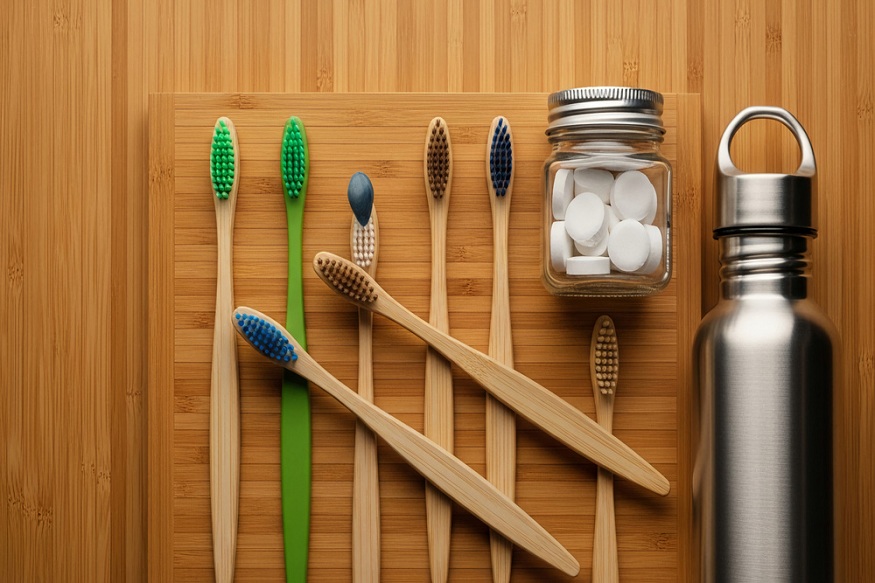
The answers flipped everything. Toothpaste transformed into tablets and powders. Companies like Ecofam took sustainable oral care seriously, making mouthwash tablets that dissolve in water instead of selling bottles of blue liquid. Bamboo handles replaced plastic brushes. Floss came in refillable glass instead of those plastic boxes that break after a week.
More Than Just Products
These weren’t just swaps. They fixed problems people didn’t know they had. Bathrooms got cleaner too. Glass jars look better than crumpled tubes. Metal tins beat plastic clutter. Buying refills instead of new containers means less junk under the sink. The entire morning got easier, and people started wondering why it took so long for someone to figure this out.
The Resistance Crumbles
The toothpaste giants laughed at first. They pushed their “dentist recommended” stamps harder. They bought more TV spots, and they dropped prices and handed out coupons like candy. It didn’t matter. Parents wanted products without red dye #40. Road warriors loved TSA-friendly tablets. College kids shared videos about plastic waste. The alternatives kept growing while traditional sales started sliding. Some big companies rushed to create their own versions. Others bought smaller brands. The smart ones saw which way things were heading.
The Future of Fresh Breath
This shift goes beyond just different products. Monthly subscriptions show up right when you need them. Smartphone apps track brushing habits. Mirrors with cameras check for cavities while you brush. The boring old bathroom routine suddenly got interesting. A century of sameness is ending. The medicine cabinet finally joined the modern world. Old-guard companies scramble to keep up while new ones keep pushing further. Someone’s probably working on the next breakthrough right now.
Read More:Beyond the Numbers: How to Handle the Emotions of Living with Type 1 Diabetes
Conclusion
We still stand at that sink twice a day. Still scrubbing away. But the how is changing fast. After generations of squeezing the same tubes and tossing the same plastic, something finally shifted. The reinvention took its sweet time getting here. Now it’s making up for lost time.